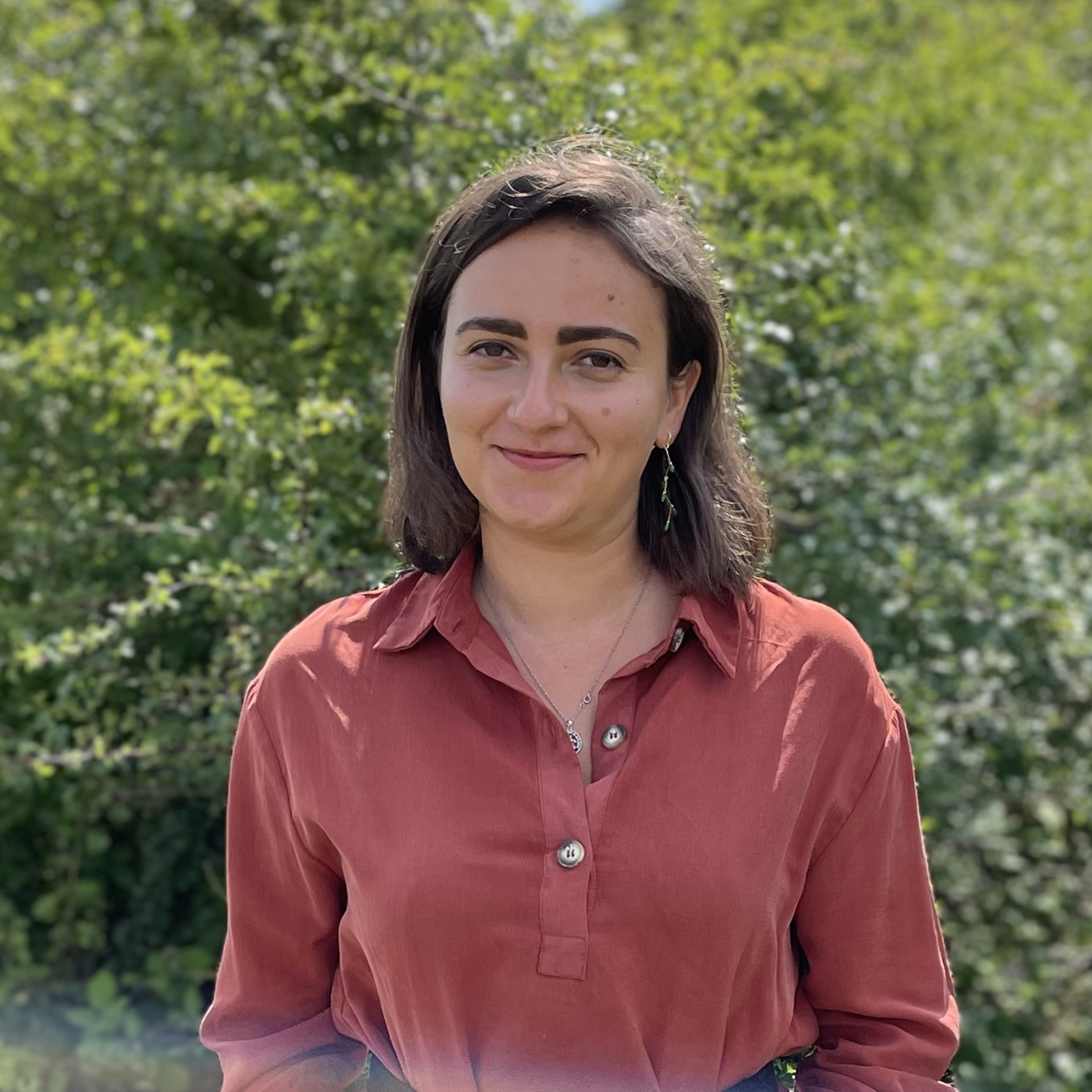
Meet Anca Panait, Head of Studio at Bowles & Wyer

At the heart of Bowles & Wyer’s design studio is Anca Panait, a passionate and talented landscape architect whose work beautifully blends creativity, research, and horticultural expertise. 

With over a decade of experience and a portfolio that spans the UK and beyond, Anca leads with a thoughtful approach to garden design - one that celebrates nature’s rhythms while meeting each client’s unique vision. In this spotlight, we talk to Anca about her inspirations, career journey, and the transformative power of gardens.

Question (Q): What inspired you to become a garden designer? 

Answer (A): I’ve always enjoyed designing and spending time outside in nature. While I did train as a landscape architect, I find garden design more rewarding because it allows for opportunities to combine creativity with research and horticulture. 

Q: How long have you been in practice? 

A: I’ve been working as a landscape architect for 10 years.

Q: Where did you train? 

A: I did my undergraduate studies in Urban and Landscape Design and Masterplanning in Bucharest, Romania and completed my master’s degree at Edinburgh University. 

Q: Which award winning Chelsea Flower Show gardens inspire you? 

A: The most inspiring gardens are the ones that have a simple design with a clear message behind them. Amongst the most memorable was Sarah’s Eberle ‘The Resilience Garden’ which highlighted the challenges forests confront in the face of climate change. 

Q: Where do you gain inspiration for your garden designs? 

A: Inspiration can come from different sources like trips away, personal research, visiting other projects or attending exhibitions. 

Q: Do you always tend to work with the same landscaper to install your gardens? 

A: The ideal project would be a design and build project, but not all projects we design are built in house. We work with a range of contractors. 

Q: Tulips or Grasses; what are your favourites and why? 

A: Grasses add structure and movement to a planting design making them a perfect partner for any naturalistic scheme. They can be used as vertical accents or for softening the edges of a path or a container. In larger projects, planted in drifts can become a background for other plants. Keeping the foliage during winter, will provide an interest over the dull period in a garden and a habitat for wildlife. 

Q: In one sentence how would you encapsulate the transformative power of gardens? 

A: A successful garden is a space that makes the user feel energetic, relaxed and encourages the user to be outside and present in the moment. 

Q: What advice would you offer to newly qualified designers? 

A: When designing is about the client and brief. Sometimes as designers we can be very precious about our proposals but ultimately is the client who will need to use the garden, and the design needs to respond to their needs. 

Q: Which trade shows do you like to attend? 

A: I’ve attended before The Landscape Show and FutureScape. 

Q: Which areas of the country do you cover? 

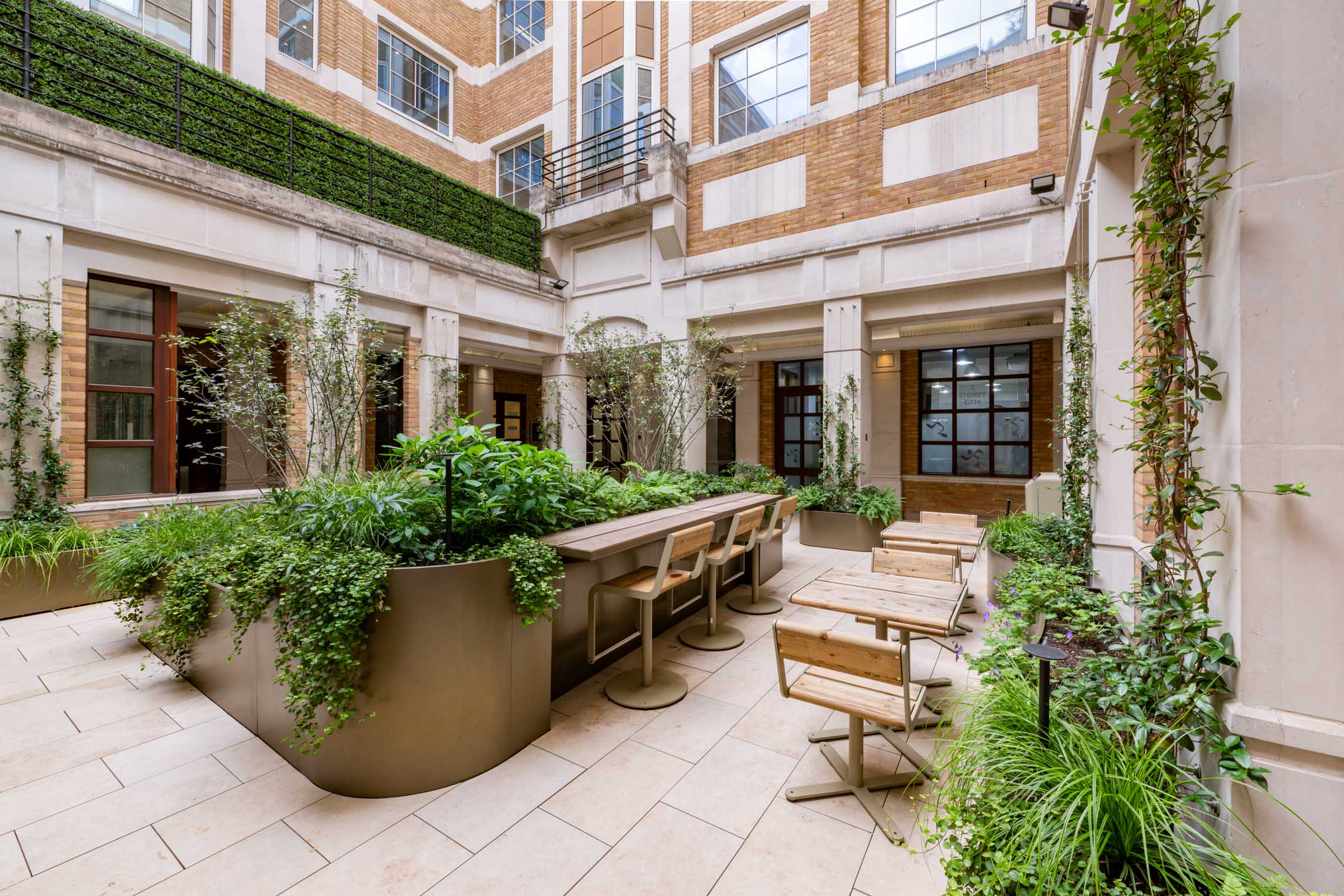
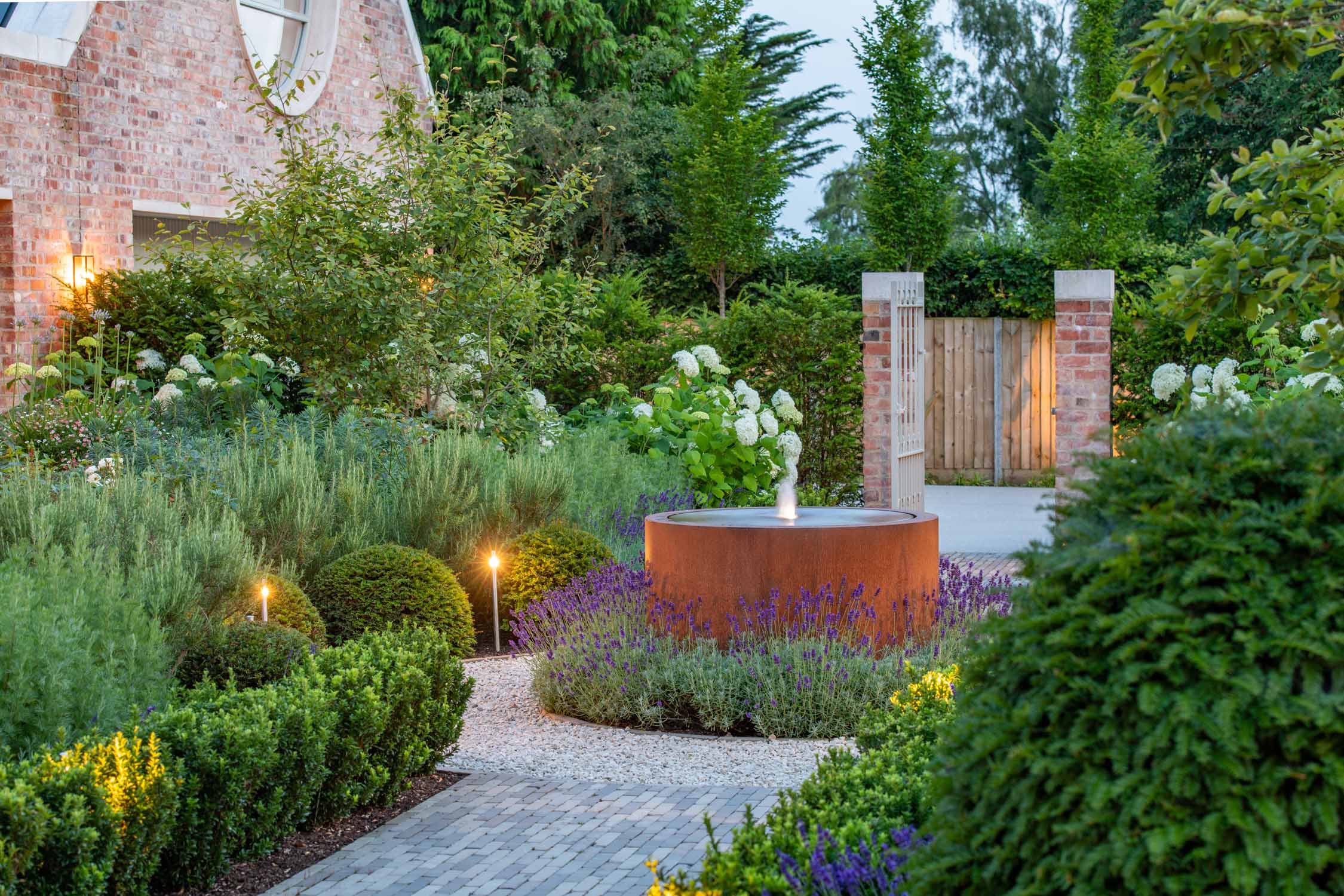
A: As a design department we predominantly cover London and areas around it, including Essex, Surrey, Kent and Cambridgeshire. But we also work further afield, more recently in the Cotswolds, and internationally having done projects in France, USA and Hong Kong. 

Q: Do you specify products for your designs? 

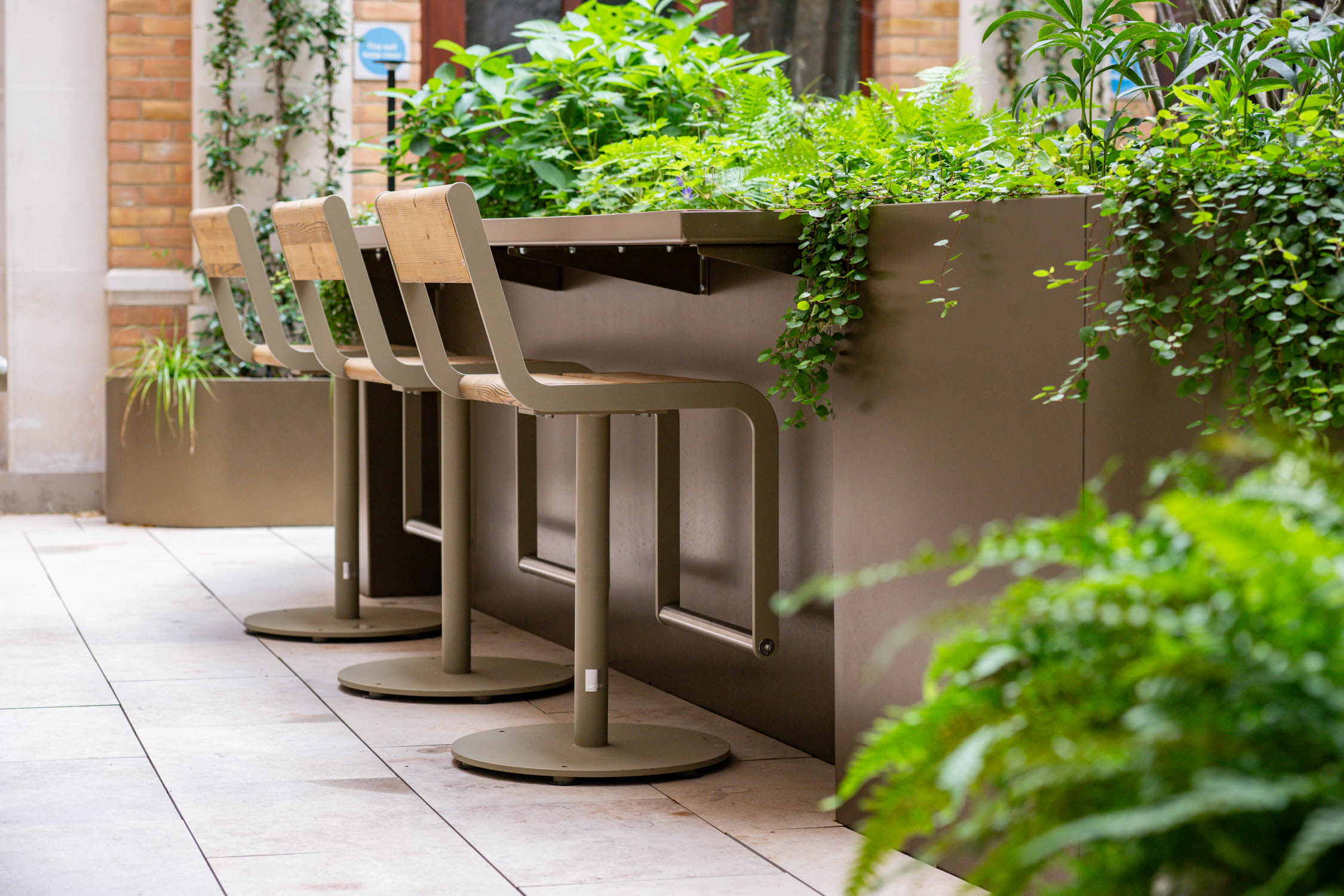
A: Yes, we collaborate with a number of suppliers depending on the project making sure the products are suitable to the design and respond to the needs of the client. 

Q: Are you part of any trade body organisation? 

A: I’m part of the Landscape Institute and Society of Garden and Landscape Design. 

If you can think of a garden designer, landscaper, landscape architect, or industry influencer that you'd like to see featured in our spotlight articles, we'd love to hear from you. Simply click the button below to e-mail Anna to nominate someone.

Top