Natural Stone Walling & Paddlestones

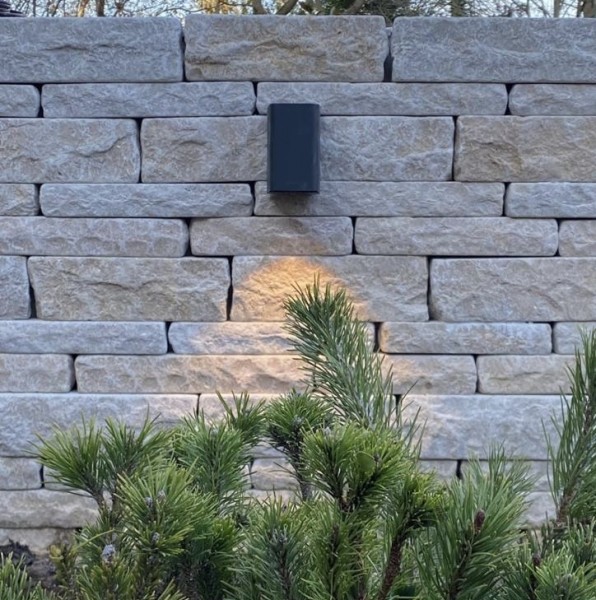
Limestone & Paddlestone Walling are wonderful materials to work with to create long lasting landscaping projects with a beautiful natural material. Once installed our natural stone walling options looks like they have been in place for years such is its natural patina and shape. Used by some of our customers to create award winning gardens.

Download our installation guide to unravel the mysteries of building paddlestone walling

request samples of paddlestone walling for landscaping

Filters/Categories

Paddlestones are large, roughly disc shaped pieces of quartzite produced by tumbling to form soft, rounded edges.
Available in grey & yellow hues these can be used in both private gardens and public landscapes as walling. Other uses include, laid flat as paving and stepping-stones, path and pond edges, water features and waterfall ledges.

Heirloom Quality Landscaping

Every garden designer and landscaper aims to create gardens that will last forever - just like Capability Brown or Gertrude Jekyll. Paddlestone Walling will definitely stand the test of time.
Not only are these beautiful stones incredibly durable, they will never go out of style. It doesn’t matter if your garden design is super-contemporary or more traditional, these stones will just look better and better over time.
Where can you use Paddlestones?

  • Cladding Retaining Walls.
  • Decorating Water Features.
  • Creating Stylish Planters.
  • Sunken Gardens.
  • Boundary Walls.
  • Gate Posts.
  • Outdoor Kitchens.
  • Built in seating.
  • Edgings.
  • Paths.
  • Stepping Stones.
  • Waterfall Ledges.

These paddlestones are so easy to work with that you can use them almost anywhere - in fact, if you can design it, you can build it.

Need Technical Advice?

The landscape industry specialists at Arbour Landscape Solutions are always ready and willing to answer your questions. Contact Us Today for honest opinions based on years of experience.

What Goes Well With Paddlestones?

The joy of landscaping materials is combining different surfaces to create something truly unique.
Why not try Reclaimed Natural Stone for a traditional look and feel?

Or perhaps you prefer Porcelain Paving for up to the minute clean lines?

Explore the Arbour Landscape Solutions website for ideas - once you’ve found what you like, log in to your account to request samples. 
 

Frequently Asked Questions
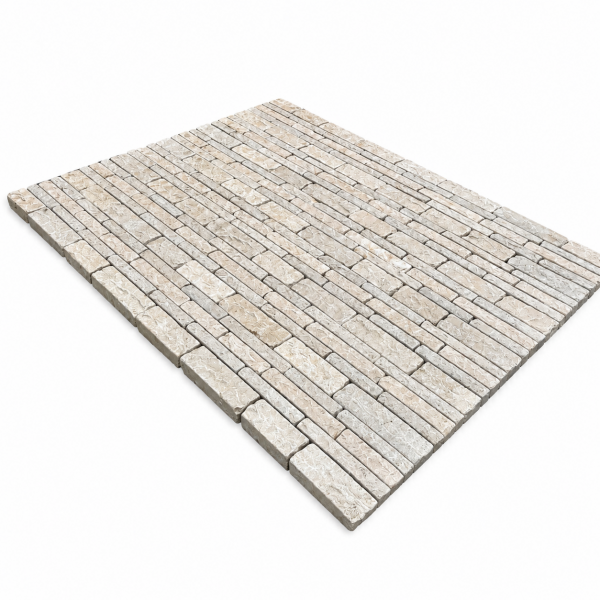
Paddlestones are flat, roughly circular shaped pieces of natural stone used in landscaping to add interest and texture to vertical surfaces such as walls and step risers. They also make amazing paving and can be used to create characterful patios, paths, stepping stones and seating areas
There are two main colours of paddlestones. Grey and yellow/gold. Natural variations in the tones add interest and bring authenticity into any landscaping project.
Yes, paddlestones are incredibly durable. They are made from quartzite, which is a material formed when sandstone is exposed to the intense heat and pressure generated by the geological processes that build mountains. During the process, individual grains of sand crystalise and fuse together to form an immensely hard and durable stone.
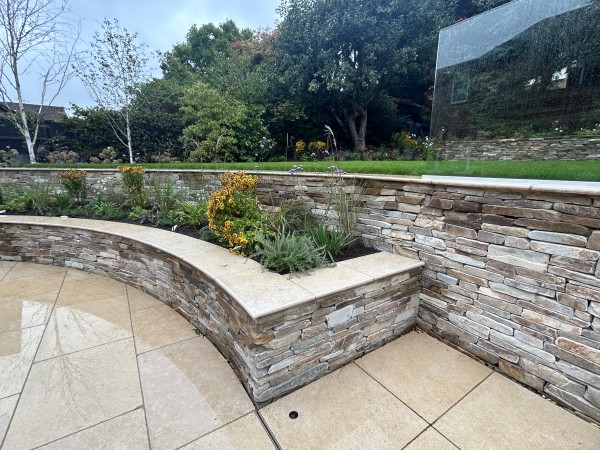
Paddlestones are very versatile indeed. Backed off paddlestones have one straight edge and are ideal for cladding interior walls, exterior walls and step risers. Garden designers often specify them for use in decorating raised beds and planters. These adaptable and highly decorative stones also make a lovely edging for lawns and borders.
Full sized paddlestones are perfect for use in dry river bed features, as well as for water features, paving, stepping stones and as an attractive filler for gabion baskets.
They certainly are! The intrinsic beauty of paddlestones is only accentuated by proximity to water where they bring a natural look and feel to ponds and waterfalls and offer ideal conditions for basking insects and amphibians.
Preparations such as foundation depth are dependent on the style of walling being built. ie If it's a retaining wall, free-standing wall, or gabion basket. As a general rule, a concrete foundation should be approximately one third of the height of the walling. However, if the wall is taller than 1.2 metres, then a structural engineer should be consulted.
Gabions are a great way to utilise paddlestones using a dry stack method. Traditional mortar methods apply when using paddlestones to face blockwork.

Our free, downloadable installation guide has more information. Please scroll to the top of this page to find the link.
Gabion baskets can be used to maintain the structural integrity of a paddlestone wall but these should be correctly filled with internal wiring used to keep the gabion baskets square. When facing blockwork, the blockwork gives your wall the structural integrity - blocks should be correctly tied into the facing paddlestones.
Our free, downloadable installation guide has more information. Please scroll to the top of this page to find the link.
A capping of some sort is required. This could be our larger paddlestones, or indeed coping stones. The coping helps to protect the walling against mechanical damage and water ingress. (if water creeps between the paddlestone facing and the wall, it could do irrepairable damage due to the freeze thaw action). A coping also prevents water running down the wall frontage.
Paddlestone walling is remarkably simple to maintain. Make occasional visual inspections to ensure everything is in order. A simple anti-fungicidal wash will clear up any algae growth.
Both! Depending on the style of the garden and the materials and plants you use alongside your paddlestones. This versatile material is very adaptable and will enhance any aesthetic. We like to think of paddlestone walling having a sophisticated rustic appeal, whilst when used for paving or for stepping stones, they take on a retro romantic feel with a slight nod to the mid-20th century infatuation with crazy paving.
Paddlestone walling and paddlestone filled gabions are full of interesting nooks and crannies that have the potential for providing habitat for a wide variety of minibeasts. These in turn could support a rich and varied ecosystem.
Why not try establishing alpine plants between layers of paddlestones to add a whole other level of interest to the vertical surfaces in your garden?
Top